
Natural Gas
Widely available industrial feedstock suitable for large-scale hydrogen production.
Hydrogen / Low Carbon Hydrogen
Hydrogen produced by splitting natural gas, LNG or LPG in a plasma reactor — no CO₂ released in the process, with solid carbon recovered as a marketable second product.
Low Carbon Hydrogen Ecosystem
Instead of relying on conventional electrolysis, Graforce uses methane plasma technology to produce hydrogen with significantly lower energy demand while generating valuable synthetic carbon and recoverable process heat.
Methane Plasmalyzer®
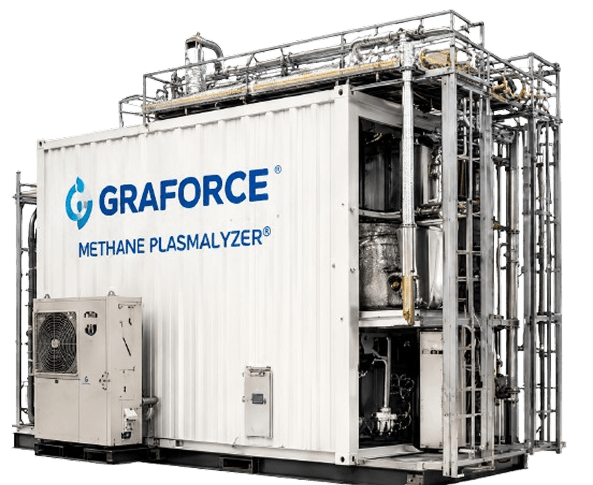
The Methane Plasmalyzer® is Graforce's proprietary methane plasmalysis reactor that splits methane molecules into hydrogen and solid carbon using a high-voltage plasma field instead of combustion. Because hydrogen is less tightly bound in methane than in water, significantly less electrical energy is required compared with conventional electrolysis.
Inside the Plasma Reactor
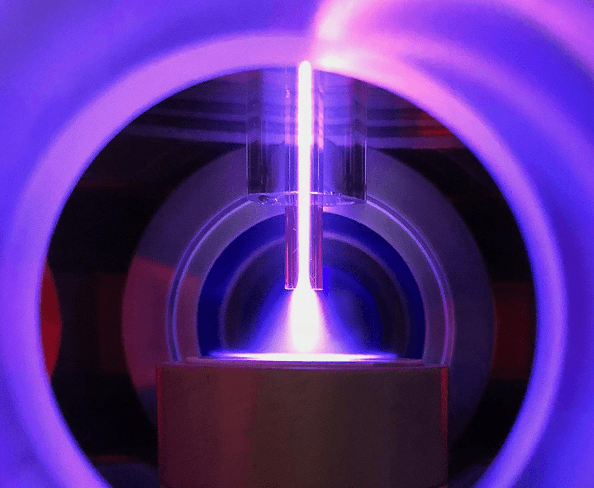
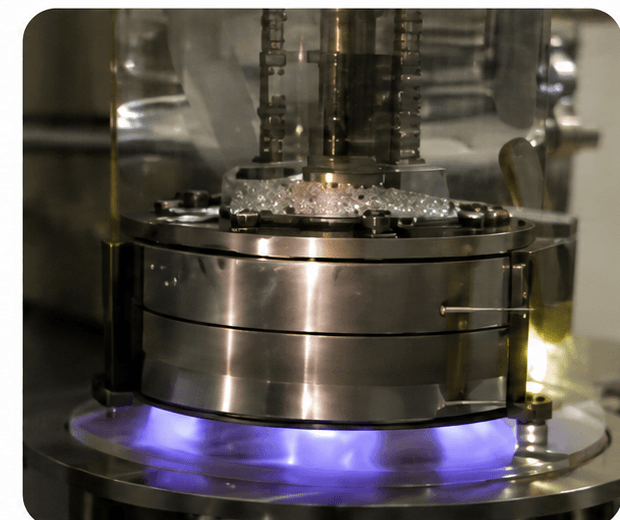
Inside the reactor, renewable electricity generates a high-voltage plasma field capable of dissociating methane molecules without combustion. The process creates hydrogen gas, recoverable process heat, and high-purity solid carbon.
A controlled plasma field provides the energy required to separate methane into hydrogen and carbon.
The reactor contains an electrode cassette designed for continuous industrial operation and stable plasma generation.
Methane molecules are split directly into molecular hydrogen and solid carbon without producing carbon dioxide.
The reactor is engineered for uninterrupted industrial hydrogen production with consistent plasma performance.
Advance Plasma Technologies
Graforce develops multiple plasma technologies for different industrial feedstocks and applications. Each plasma type is optimized for specific chemical conversion processes.
Natural Gas
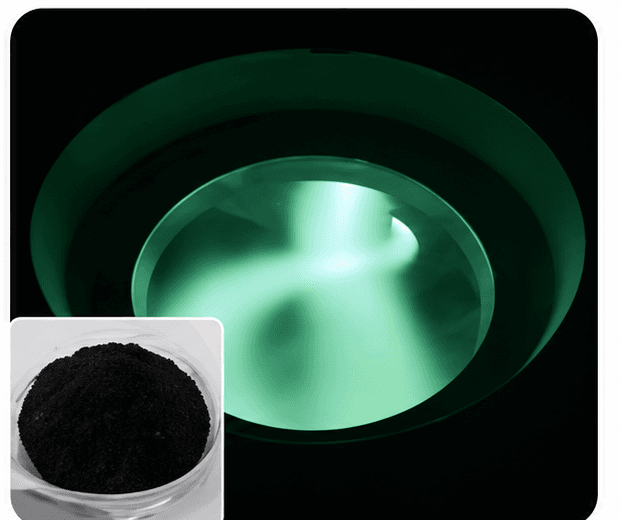
Designed for methane plasmalysis and industrial hydrogen production from natural gas.
Ammonia
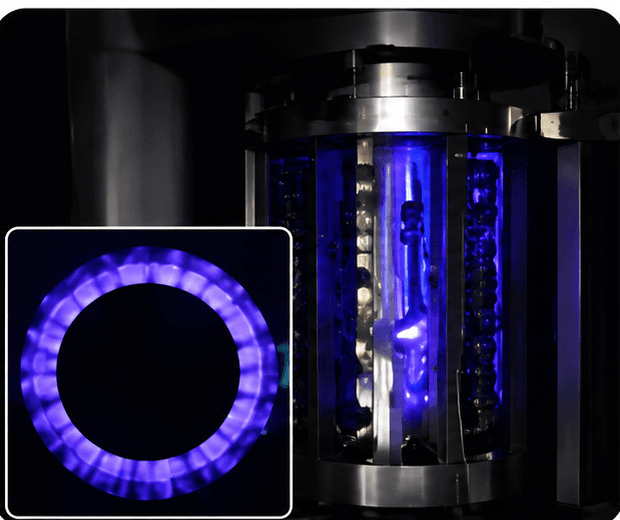
Optimized for hydrogen production from ammonia and other specialized industrial processes.
Industrial Effluent
Used for industrial wastewater and effluent treatment applications.
Modular Plant Architecture
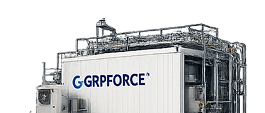
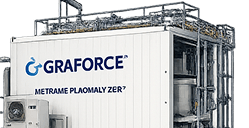
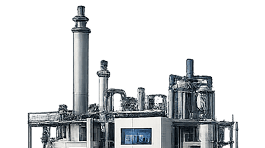
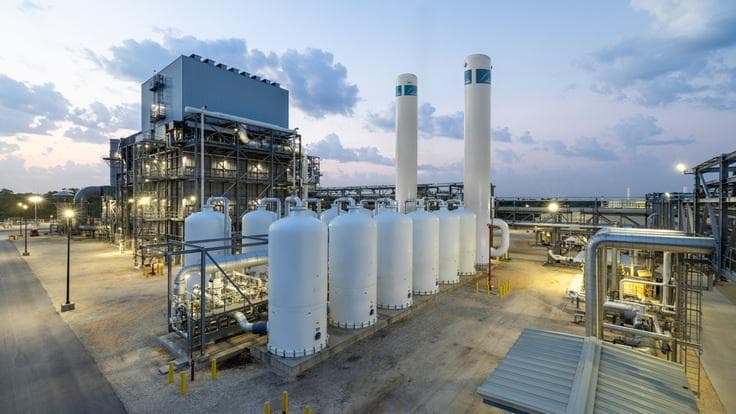
The Methane Plasmalyzer® is designed as a modular technology platform. Individual reactor modules can be combined to create hydrogen plants ranging from pilot installations to full-scale industrial production facilities
Industries
From flare gas to steelmaking, the same reactor technology adapts to whatever feedstock and offtake an industry runs on.
Compatible Feedstocks
The Methane Plasmalyzer® processes multiple methane-based feedstocks without requiring major infrastructure changes.
Widely available industrial feedstock suitable for large-scale hydrogen production.
Renewable methane produced from organic waste and agricultural residues.
Liquefied natural gas for industrial facilities requiring high energy density.
Liquefied petroleum gas for distributed hydrogen production applications.
FAQ
Graforce engineers can help you evaluate the right pathway, system configuration and integration approach for your project.
Graforce engineers can help you evaluate the right pathway, system configuration and integration approach for your project.
Graforce engineers can help you evaluate the right pathway, system configuration and integration approach for your project.
Graforce engineers can help you evaluate the right pathway, system configuration and integration approach for your project.
Graforce engineers can help you evaluate the right pathway, system configuration and integration approach for your project.
Whether you're planning a pilot installation or a full-scale industrial deployment, Graforce's engineering team can help you evaluate the right hydrogen solution for your facility.